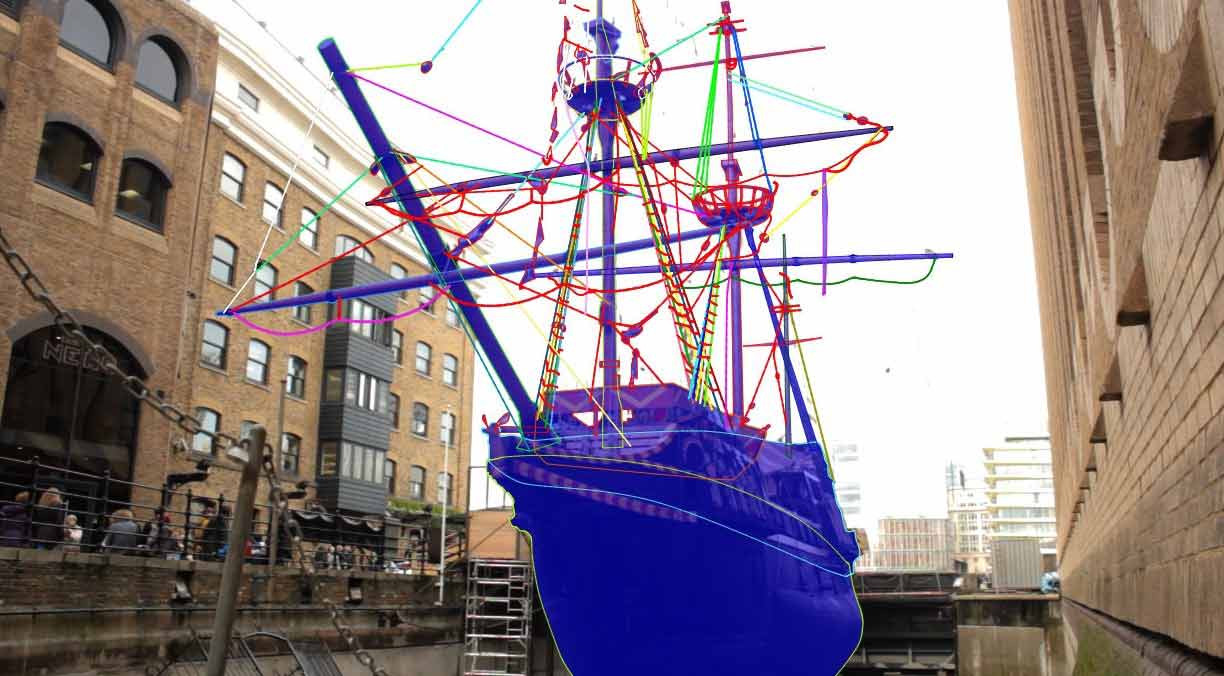
Rotoscoping is a fundamental visual effects (VFX) technique that allows VFX artists and filmmakers to extract subjects from a scene, create realistic movements, or enhance live-action footage with animated elements. The process involves tracing over live-action video frame by frame to produce fluid, lifelike animation. Initially developed for traditional animation, rotoscoping has now evolved into a digital technique used in films, television, and commercials.
Rotoscoping bridges the gap between reality and animation by capturing intricate details of human movement. It allows roto artists to create realistic characters, seamless special effects, and dynamic motion sequences. Whether it’s isolating a character for background replacement or refining visual effects in post-production, rotoscoping remains a crucial tool in modern filmmaking.
With advancements in technology, rotoscoping has transitioned from manual hand-tracing to digital workflows. Modern VFX studios use sophisticated software that automates parts of the process while still allowing for manual adjustments. This digital evolution has made rotoscoping more accessible and efficient, reducing production time while maintaining high-quality results.
Softwares is a popular tool for digital rotoscoping, offering a range of features to streamline the animation process. Beginners can start with simple techniques before advancing to complex VFX work.
For simple rotoscope animations, shape tweens can help speed up the process by automatically generating intermediate frames between two keyframes. This reduces manual work while maintaining smooth transitions.
Rotoscoping in animation refers to the process of masking and replacing background in motion picture footage to create realistic animated sequences. It has been widely used in animated films, commercials, and television shows to achieve lifelike movement and hair open-poly fluid motion.
The technique was first developed by Max Fleischer in 1915 for his "Out of the Inkwell" series. Later, Disney refined the method in classics like Snow White and the Seven Dwarfs (1937), where live-action references were traced to bring animated characters to life with greater realism.

Image Source: Disney Snow White And The Seven Dwarfs Movie 1937
Max Fleischer patented the original rotoscope in 1917, which allowed animators to project live-action film onto a glass panel and trace the movements frame by frame.
After Fleischer’s patent expired in 1934, other studios began using rotoscoping to refine their animation techniques. Disney's early animations, as well as later projects like A Scanner Darkly (2006), showcased the technique's enduring impact.
Today, rotoscoping is widely used in VFX-heavy films, allowing for the seamless integration of live-action footage with digital effects. It is also used in motion graphics, commercials, and music videos to achieve unique stylistic effects.
Major Hollywood studios have embraced rotoscoping for blockbuster films like Star Wars, The Lord of the Rings, and Avengers: Endgame. The technique allows filmmakers to refine special effects, remove unwanted elements, and create stunning visuals.
Some of the most famous films utilizing rotoscoping include:
Advancements in AI-powered tools have enabled faster and more accurate rotoscoping, reducing the need for extensive manual work while maintaining high precision.
Traditional frame-by-frame tracing.
Traditional frame-by-frame tracing.
A combination of manual and automated techniques.
Udemy, Coursera, Skillshare
Adobe After Effects, Silhouette FX guides
VFX handbooks and animation textbooks
Rotoscoping remains an essential tool in animation and VFX, evolving with technology while maintaining its foundational principles. Whether you’re an aspiring animator or a professional VFX artist, mastering rotoscoping opens up endless creative possibilities.
24 hours. That's all it will take you to figure out the cost benefits of outsourcing!